
Country travel guide · International
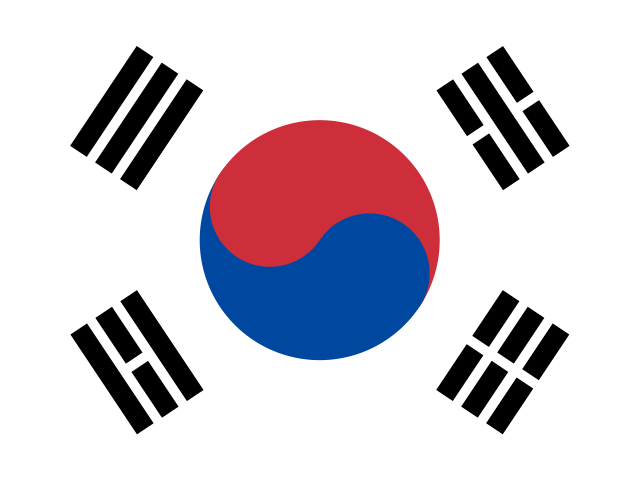 South Korea
 blends fast modern cities, old palaces and mountain temples, all within a compact and easy-to-travel country.
Information added on 26 Oct 2026. Rules, fees and dates can change — for the latest information please visit the official websites below.

- Capital
- Seoul
- Language(s)
- Korean
- Currency
- South Korean won (KRW)
- Time
- UTC +9
- Plugs
- Type C, F · 220 V
- Calling code
- +82
- Emergency number
- 112 (police), 119 (fire/ambulance)
- Tourist helpline
- 1330 (Korea Travel Hotline)
About South Korea
South Korea is a country in East Asia. It covers the southern part of the Korean Peninsula, with mountains covering much of the land. The west coast has wide plains and the largest cities. Seoul, the capital, is in the north-west and is home to about half of the national population when the wider metropolitan area is counted. The country is also known for its islands, including Jeju in the south.
Korea has a long history as a single kingdom and later as a nation with its own writing system, Hangul. The country was divided after 1945 and the Korean War ended in 1953 with an armistice. Today South Korea is a major economy and a leader in technology, film and music. Visitors enjoy royal palaces in Seoul, Buddhist temples in the mountains, coastal cities such as Busan, and traditional villages such as Andong. Respect for family, elders and shared meals is an important part of daily life.
Visa system
Most visitors need either a visa or a short-stay exemption, and some visa-free visitors need an electronic travel authorisation (K-ETA) before they fly. Your passport should be valid for at least six months after your planned departure. Apply only through the official websites listed below, because look-alike sites charge extra fees.
| Your passport | What you need | Where |
|---|---|---|
| India | A visa is required for tourism. Check the current entry rules before you apply. | Korean embassy or consulate in India, or the official Korean visa portal |
| Japan | Visa-free entry is allowed for short tourist stays. Check whether a K-ETA is needed for your trip. | Official K-ETA website or Korea Immigration Service website |
| China | Visa rules change from time to time, and some group visitors may enter without a visa under temporary arrangements. Check the latest rules before you travel. | Official Korean embassy or consulate website in China, or the K-ETA website |
| Other countries | This depends on your passport. Many countries are visa-exempt, but many still need a K-ETA or a visa. | Official Korean embassy or consulate in your country, or the K-ETA website |
Visa fees and rules change, so check the official sites before you apply. Look-alike websites often ask for extra fees, so always confirm the address on the official site first.
Weather
South Korea has four clear seasons. Winters are cold and dry, and summers are hot and humid with a heavy monsoon period in late June to August.
Spring and autumn are usually the most pleasant times for walking, hiking and city tours.
| Jan | Feb | Mar | Apr | May | Jun | Jul | Aug | Sep | Oct | Nov | Dec | |
|---|---|---|---|---|---|---|---|---|---|---|---|---|
| Average high | -1° | 2° | 8° | 15° | 21° | 25° | 28° | 29° | 25° | 19° | 11° | 2° |
| Average low | -9° | -7° | -2° | 4° | 10° | 16° | 22° | 23° | 17° | 9° | 2° | -5° |
| Rain | Dry | Dry | Light rain | Light rain | Some rain | Heavy rain | Heavy rain | Heavy rain | Some rain | Light rain | Dry | Dry |
Best time to travel
BestGoodRainy, very hot or very cold
- March – MaySpring brings mild weather and cherry blossoms, which is a popular time to visit parks and palaces.
- September – NovemberAutumn is clear and cool, with bright red and gold leaves in the mountains.
- December – FebruaryWinter is very cold, but skies are often clear. Ski resorts and hot springs are busy.
Food to try
Korean food is known for its spices, fermented vegetables and grilled meats. Vegetarian options are available, especially temple food and rice dishes, but many soups and side dishes contain fish sauce or meat stock, so ask before you order.
Most dishes are shared at the table.
- BibimbapA rice bowl with vegetables, egg and chilli paste. You can ask for it without meat.
- KimchiFermented cabbage with chilli and garlic. Some kinds contain fish, so check first.
- TteokbokkiChewy rice cakes in a sweet and spicy sauce, often sold from street stalls.
- BulgogiThin slices of marinated beef, grilled at the table and wrapped in lettuce.
- PajeonA savoury pancake with spring onion. Vegetable versions are common.
- MakgeolliA milky rice wine with a light, slightly sweet taste, served in many local bars.
Events & festivals
Many important holidays follow the lunar calendar, so their dates move each year. Check the official tourism website for the exact days before you plan your trip.
- January or FebruarySeollal (Lunar New Year) — A major family holiday with traditional food, bowing to elders and folk games.
- March 1Independence Movement Day — A national holiday with ceremonies and history displays across the country.
- April or MayBuddha's Birthday — Temples hold lantern festivals and processions, especially in Seoul.
- May 5Children's Day — A public holiday with family events, parks and activities for children.
- JulyBoryeong Mud Festival — A summer festival on the west coast with mud games and beach activities.
- August 15Liberation Day — A national holiday marking the end of Japanese rule in 1945.
- September or OctoberChuseok (Harvest Festival) — A major family holiday with food offerings, visits to ancestral graves and full moon celebrations.
- OctoberBusan International Film Festival — One of Asia's largest film festivals, with screenings and events in Busan.
How to prepare
- Passport & visaCheck your visa or K-ETA rules well before you fly. Keep copies of your passport and travel documents with you.
- MoneyThe currency is the won. Cards are widely accepted in cities, but carry some cash for small shops and markets.
- Phone & internetFree Wi-Fi is common in cities. You can buy a local SIM card at the airport or use an international roaming plan.
- HealthMedical care in cities is good. Get travel health insurance that covers hospital treatment in South Korea.
- ClothesDress neatly for temples and palaces, and cover shoulders and knees. Bring warm layers in winter and light clothes in summer.
- Customs & etiquetteRemove your shoes when entering homes and some restaurants. Use both hands when giving or receiving items.
- Getting aroundThe subway and buses in Seoul are clean and easy to use. Get a T-money transport card, which works on buses and trains.
- Safety or permitsCrime rates are low. Keep your passport with you and call 112 for police or 1330 for travel help in English.
Official websites of South Korea
For the latest rules and fees, always check these official websites. They open in a new tab.
Visa & entry
Korea Immigration Servicehikorea.go.krK-ETA Electronic Travel Authorizationk-eta.go.krTourism
Korea Tourism Organizationkorean.visitkorea.or.krCulture & heritage
Ministry of Culture, Sports and Tourismmcst.go.krCultural Heritage Administrationcha.go.krWeather
Korea Meteorological Administrationkma.go.krHealth & safety
Ministry of Foreign Affairs Travel Safetyoverseas.mofa.go.krEmbassies
Embassy of the Republic of Korea in Indiaoverseas.mofa.go.krEmbassy of the Republic of Korea in Japanoverseas.mofa.go.krEmbassy of Japan in the Republic of Koreakr.emb-japan.go.jpInformation added on 26 Oct 2026. Written with the help of AI and checked by the Inditour team.
This page is general travel information, not legal advice. For the latest information, please visit the official websites of South Korea.