
Country travel guide · International
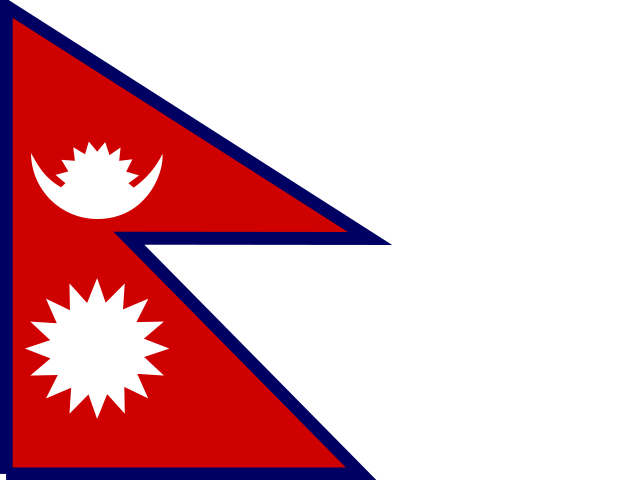 Nepal
Nepal is a Himalayan country of high mountains, old temples and friendly hill towns, lying between India and China.
Information added on 26 Oct 2026. Rules, fees and dates can change — for the latest information please visit the official websites below.

- Capital
- Kathmandu
- Language(s)
- Nepali (official); English in tourist areas
- Currency
- Nepalese rupee (NPR)
- Time
- UTC +5:45
- Plugs
- Type C, D, M · 230 V
- Calling code
- +977
- Emergency number
- 100 (police), 102 (ambulance)
- Tourist police
- 1144 (Kathmandu)
About Nepal
Nepal is a small landlocked country in South Asia, between India to the south, east and west and China to the north. It has three main land zones: the flat Terai plains in the south, the middle hills, and the high Himalayan mountains in the north. Eight of the world's ten highest mountains are in Nepal, including Mount Everest, which the country calls Sagarmatha.
Nepal was a group of small kingdoms for centuries until the Shah dynasty unified it in the 1700s. Kathmandu Valley has many old Hindu and Buddhist temples, palaces and squares, and it is the centre of the country's culture. Lumbini, in the south, is the birthplace of the Buddha. Most visitors go to Kathmandu, Pokhara, the Everest and Annapurna trekking areas, and Chitwan National Park.
Visa system
Most visitors need a visa to enter Nepal. Many can get a visa on arrival at Tribhuvan International Airport or at land border points, or apply online before travel. Your passport should be valid for at least six months and have blank pages. Apply only on the official immigration website, because look-alike sites often charge extra fees.
| Your passport | What you need | Where |
|---|---|---|
| India | No visa needed. A valid Indian passport or other official ID is accepted. | Not needed |
| Japan | Visa needed. Most Japanese passport holders can get one on arrival or online. | Official e-visa portal or on arrival |
| South Korea | Visa needed. Most Korean passport holders can get one on arrival or online. | Official e-visa portal or on arrival |
| China | Visa needed. Most Chinese passport holders can get one on arrival or online. | Official e-visa portal or on arrival |
| Other countries | Visa needed for most nationalities. Some countries have special arrangements. | Official e-visa portal, embassy or on arrival |
Tourist visa fees depend on the length of stay and can change. Check the current fees and rules only on the official Department of Immigration website.
Weather
Nepal has a monsoon climate with large differences between the lowlands and the mountains. Kathmandu is cool in winter and warm in summer, and most rain falls from June to September.
| Jan | Feb | Mar | Apr | May | Jun | Jul | Aug | Sep | Oct | Nov | Dec | |
|---|---|---|---|---|---|---|---|---|---|---|---|---|
| Average high | 16° | 18° | 23° | 27° | 29° | 31° | 30° | 30° | 29° | 27° | 23° | 18° |
| Average low | 2° | 4° | 8° | 12° | 15° | 19° | 21° | 21° | 19° | 14° | 9° | 5° |
| Rain | Dry | Light rain | Some rain | Some rain | Some rain | Heavy rain | Heavy rain | Heavy rain | Heavy rain | Light rain | Dry | Dry |
Best time to travel
BestGoodRainy, very hot or very cold
- October – NovemberThe skies are usually clear after the monsoon, and the mountain views are at their best. This is the busiest time for trekking.
- March – MaySpring is warm and mostly dry, with clear views in the early months. It is hot in the lowlands by May.
- June – SeptemberThis is the monsoon season. Heavy rain and cloud can block views and make roads slow, but the hills are green and quieter.
| Kathmandu Valley (Kathmandu, Patan, Bhaktapur) | October – April | Temples, palaces and old squares are the main attractions, and the weather is mild for most of the year. |
|---|---|---|
| Himalayan trekking areas (Everest, Annapurna, Langtang) | March – May, October – November | Trails pass through villages and high passes, and the best views are in the clear seasons. |
| Terai lowlands (Chitwan, Lumbini) | November – March | Chitwan National Park is good for wildlife, and Lumbini is a major Buddhist pilgrimage site. Summers here are very hot. |
Food to try
Nepali food is usually mild to medium spicy, and many dishes are vegetarian. Dal bhat, a set meal of lentil soup, rice and vegetable curry, is the everyday staple, and refills are often free.
- Dal bhatA daily set meal of rice, lentil soup, vegetable curry and pickle, often served with refills.
- MomoSteamed or fried dumplings filled with vegetables, buffalo or chicken, served with a spicy tomato sauce.
- ThukpaA warm noodle soup with vegetables or meat, popular in the mountain areas on cold days.
- Sel rotiA crispy, ring-shaped rice bread, often eaten during festivals and with tea.
- Newari baraA savoury lentil pancake from the Kathmandu Valley, often sold on the street.
- Masala chiyaSpiced milk tea, sweet and warm, served in small glasses at almost any time of day.
Events & festivals
Many Nepali festivals follow the lunar calendar, so their dates change every year. Some are set by the solar calendar, so check the exact dates before you travel.
- JanuaryMaghe Sankranti — A midwinter festival with ritual bathing in rivers and the eating of sesame and jaggery treats.
- February – MarchLosar — The Tibetan New Year, celebrated with prayers, dancing and family meals in Buddhist communities.
- MarchHoli (Fagu Purnima) — The festival of colours, when people throw coloured powder and water in streets and squares.
- AprilBisket Jatra — A New Year festival in Bhaktapur with chariot pulling and street celebrations.
- MayBuddha Jayanti — The celebration of the Buddha's birth, with candles and prayers, especially at Lumbini.
- September – OctoberDashain — Nepal's longest and biggest festival, when families gather, exchange blessings and fly kites.
- October – NovemberTihar — The festival of lights, with oil lamps, colourful decorations and songs at each home.
How to prepare
- Passport & visaKeep your passport valid for at least six months. Get your visa from the official website or on arrival, and carry a printed copy of your receipt.
- MoneyThe currency is the Nepalese rupee. Carry small notes, because change can be hard to find in rural areas. ATMs are common in towns but not in remote places.
- Phone & internetLocal SIM cards are sold at the airport and in shops with your passport. Wi-Fi is available in most hotels and cafés in tourist areas.
- HealthCheck your vaccines and travel insurance before you go. Drink only bottled or purified water, and take care at high altitude.
- ClothesBring layers, because temperatures change a lot between day and night. Dress modestly when visiting temples and rural villages.
- Customs & etiquetteRemove your shoes before entering temples and homes. Use your right hand for giving and receiving, and ask before photographing people or religious sites.
- Getting aroundDomestic flights are useful for mountain areas. Roads can be slow and rough, so allow extra time, and use registered taxis or ride-hailing apps in cities.
- Safety or permitsSome mountain regions need a special permit, and trekkers are advised to go with a registered guide. Check the latest permit rules on the official tourism website.
Official websites of Nepal
For the latest rules and fees, always check these official websites. They open in a new tab.
Visa & entry
Department of Immigration, Nepalimmigration.gov.npNepal Immigration e-visa portalnepaliport.immigration.gov.npTourism
Nepal Tourism Boardwelcomenepal.comMinistry of Culture, Tourism & Civil Aviationmocta.gov.npCulture & heritage
Department of Archaeology, Nepalarchaeology.gov.npWeather
Department of Hydrology and Meteorologydhm.gov.npHealth & safety
Ministry of Health and Populationmohp.gov.npNepal Policenepalpolice.gov.npInformation added on 26 Oct 2026. Written with the help of AI and checked by the Inditour team.
This page is general travel information, not legal advice. For the latest information, please visit the official websites of Nepal.