








Country travel guide · 国际
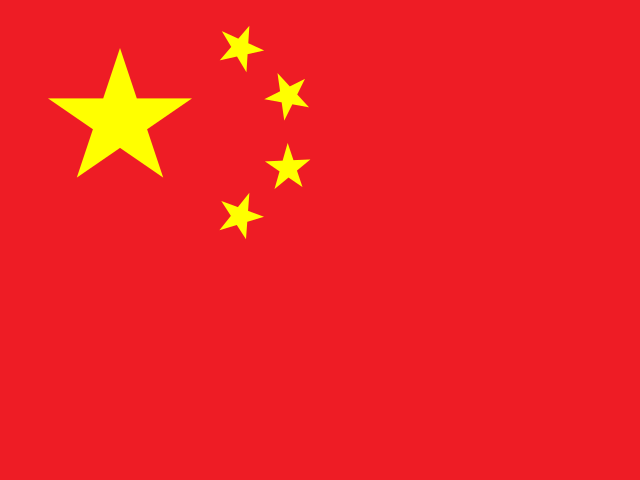 China
China is a vast country of ancient history, fast-growing cities and wide, varied landscapes.
Information added on 26 Oct 2026. Rules, fees and dates can change — for the latest information please visit the official websites below.

- Capital
- Beijing
- Language(s)
- Standard Chinese (Mandarin)
- Currency
- Renminbi / yuan (CNY)
- Time
- UTC +8
- Plugs
- Type A, C, I · 220 V
- Calling code
- +86
- Emergency number
- 110 police · 120 ambulance
- Tourist helpline
- 12301 (national tourism hotline)
About China
China is the fourth largest country in the world by area. It has high mountains and deserts in the west, long rivers such as the Yangtze and the Yellow River, and a long coastline on the east and south. The climate ranges from cold northern winters to subtropical south, so travel conditions change a lot from place to place.
China has one of the oldest continuing civilisations on Earth, with dynasties, imperial palaces and famous inventions such as paper and printing. Visitors often go to Beijing for the Great Wall and the Forbidden City, to Shanghai for modern architecture, to Xi'an for the Terracotta Army, and to Guilin and Yunnan for scenery. Family life, tea culture, festivals and food are central to everyday Chinese life.
Visa system
Many visitors can enter visa-free for short stays under current rules, but the list of countries changes. Others apply for a visa online or at a Chinese visa application centre or embassy before travel. Your passport should be valid for at least six months and have blank pages. Apply only on the official website.
| Your passport | What you need | 地点 |
|---|---|---|
| India | Usually a visa is required. Check current rules before you travel. | Chinese visa application centre or embassy in India, via visaforchina.cn |
| Japan | Visa-free entry for short stays is currently offered. Check the official list. | Not needed if eligible. Otherwise Chinese Embassy in Tokyo. |
| South Korea | Visa-free entry for short stays is currently offered. Check the official list. | Not needed if eligible. Otherwise Chinese Embassy in Seoul. |
| Other countries | Depends on your nationality. Many countries have visa-free short stays; others need a visa. | Chinese embassy or consulate in your country, or visaforchina.cn |
Some visa-free rules have conditions, such as stay length and entry port. Look-alike visa websites charge extra fees, so use only official sites listed on this page.
Weather
China has a wide range of climates. The north has cold, dry winters and hot, humid summers, while the south is warmer and wetter all year. Spring and autumn are usually the most pleasant seasons across most of the country.
| 1月 | 2月 | 3月 | 4月 | 5月 | 6月 | 7月 | 8月 | 9月 | 10月 | 11月 | 12月 | |
|---|---|---|---|---|---|---|---|---|---|---|---|---|
| Average high | 2° | 5° | 13° | 21° | 27° | 31° | 31° | 30° | 26° | 19° | 10° | 3° |
| Average low | -9° | -7° | -1° | 7° | 13° | 18° | 22° | 21° | 14° | 7° | -1° | -7° |
| Rain | Dry | Dry | Light rain | Light rain | Some rain | Some rain | Heavy rain | Heavy rain | Some rain | Light rain | Dry | Dry |
Best time to travel
BestGoodRainy, very hot or very cold
- April – MaySpring is mild and clear in most regions, good for sightseeing and outdoor walks.
- September – OctoberAutumn is often the best time, with pleasant temperatures and clear skies, though it is busy during holidays.
- June – AugustSummer is hot and humid in most areas, with heavy rain in some regions, so pack light clothes and an umbrella.
| North: Beijing, Xi'an, Great Wall | April – May, September – October | Cold winters and hot summers, with the best sights and history in spring and autumn. |
|---|---|---|
| East: Shanghai, Hangzhou, Suzhou | March – May, October – November | Mild, humid climate with canals, gardens and modern cities. |
| South: Guangzhou, Guilin, Yunnan | October – December, March – April | Warm and subtropical, with karst scenery in Guilin and mild weather in Kunming and Lijiang. |
| West: Lhasa and Tibet | May – October | High altitude with cold nights and strong sun; visitors need permits and time to adjust. |
Food to try
Chinese food is very varied, and each region has its own style. Vegetarian dishes are widely available, especially in Buddhist restaurants, but some dishes may use meat stock, so ask carefully. Sichuan food is very spicy, while northern and eastern food is usually milder.
- Peking duckRoasted duck served with thin pancakes, spring onion and sweet bean sauce, a Beijing speciality.
- Jiaozi (dumplings)Boiled or pan-fried dumplings with meat or vegetable filling, often eaten during New Year.
- Hot potA pot of spicy or mild broth at the table, where you cook meat, vegetables and noodles yourself.
- Mapo tofuSoft tofu in a spicy Sichuan sauce with minced meat or a vegetarian version.
- XiaolongbaoSteamed soup dumplings from Shanghai, filled with pork and hot broth.
- Chinese teaGreen, oolong, jasmine and pu-erh teas are served in many places as a daily drink.
Events & festivals
Several major festivals follow the lunar calendar, so their dates move each year. Check the exact date before planning a trip, as public holidays may also change.
- January – FebruarySpring Festival (Chinese New Year) — The most important holiday, with family reunions, red decorations and fireworks; travel is very busy.
- January – FebruaryHarbin Ice and Snow Festival — Large ice sculptures and winter activities in the northern city of Harbin.
- February – MarchLantern Festival — Held on the 15th day of the first lunar month, with lanterns, riddles and special foods.
- Early AprilQingming Festival — A time to visit family graves and enjoy spring outings; it is a public holiday.
- 1–5 MayLabour Day holiday — A national holiday week when many domestic tourists travel.
- May – JuneDragon Boat Festival — Dragon boat races and zongzi (sticky rice dumplings) mark this lunar festival.
- September – OctoberMid-Autumn Festival — Families gather to eat mooncakes and admire the full moon on the 15th day of the eighth lunar month.
- 1–7 OctoberNational Day Golden Week — A week-long national holiday with very heavy domestic travel at major sights.
How to prepare
- Passport & visaCheck whether you need a visa or can enter visa-free. Keep your passport valid for at least six months with blank pages.
- MoneyCash is less used than before. Mobile payment apps are common, and some foreign cards may not work everywhere, so carry some cash as backup.
- Phone & internetSome foreign apps and websites are blocked. Download maps and translation apps before you arrive and consider a VPN only if it is legal for you.
- HealthTravel insurance is advisable. Tap water is not safe to drink, so buy bottled water. Air quality can be poor in some cities.
- ClothesDress for the season and region. Bring warm layers for northern winter and light, breathable clothes for southern summer.
- Customs & etiquetteRemove shoes in some homes, use both hands when giving or receiving items, and avoid discussing sensitive political topics.
- Getting aroundHigh-speed trains and metro systems are efficient. Buy tickets in advance during holidays, and download a train app if you can.
- Safety or permitsCrime against tourists is low. Some areas, such as Tibet, need special permits. Check the official site for current rules.
Official websites of China
For the latest rules and fees, always check these official websites. They open in a new tab.
签证与入境
Visa Application Service Center of the Ministry of Foreign Affairsvisaforchina.cnMinistry of Foreign Affairs of the People's Republic of Chinafmprc.gov.cnNational Immigration Administrationnia.gov.cnTourism
China National Tourism Administration (China Tourism Official Website)travelchina.gov.cnMinistry of Culture and Tourismmct.gov.cnCulture & heritage
National Cultural Heritage Administrationncha.gov.cnWeather
China Meteorological Administrationcma.gov.cnHealth & safety
National Health Commissionnhc.gov.cnEmbassies
Embassy of the People's Republic of China in Indiain.china-embassy.gov.cnEmbassy of the People's Republic of China in Japanjp.china-embassy.gov.cnEmbassy of the People's Republic of China in the Republic of Koreakr.china-embassy.gov.cnInformation added on 26 Oct 2026. Written with the help of AI and checked by the Inditour team.
This page is general travel information, not legal advice. For the latest information, please visit the official websites of China.